Column · @fencingcontractorjkmj035
Best Fence Installers for Edge Blocks and Tidy Sides
A fence can look straightforward from the street, but the moment you obtain close, the information show everything. The line is straight or it isn't. The panels align or they sneak. Corners either look deliberate or they look like a person "made it work" after a measurement missed by a quarter inch. If you care about edge blocks and tidy sides, you are not just shopping for lumber and labor. You are shopping for judgment.
I have actually seen staffs toenail the "big stuff" and still leave a fencing that feels sloppy, mainly at changes: edges, returns, entrance openings, and anything near a wall surface, driveway, or incline. The installers who regularly do tidy job tend to share a couple of routines. They prepare the design prior to the first hole is dug. They treat edge blog posts as the beginning of the layout, not an afterthought. And they know when to slow down and re-check.
Below is the means I consider employing the very best fence installers, best fence contractors, or best fence companies for this specific kind of work, plus what to seek so your fencing looks crisp from day one.
Why corner obstructs modification everything
Corner obstructs sound like a little detail, but they affect the whole aesthetic rhythm of a fence. In numerous designs, those blocks work as the support factor where lines, spacing, and panel alignment get "solved." Done right, the block makes the edge appearance settled, completed, and deliberate. Done badly, it ends up being the top place your eye lands and keeps landing.
Corner blocks also engage with resistances. Fence contains tiny truths: post deepness, slight variants in rail straightness, timber that relocates with moisture, and boards that are not all similar straight out of the package. An expert installer represent those truths while maintaining the layout clean.
When edge blocks are taken care of well, 3 things generally follow:
- The corner line stays crisp, not wavy.
- The rails and pickets fulfill the edge equipment cleanly.
- The gateway opening and returns do not battle the rest of the run.
If you are reconstructing near an existing border, edge obstructs matter a lot more. The old fencing might not be perfectly square, and building lines are often extra challenging than they view a map. The professional's capability to manage the shift is the distinction in between a fencing that assimilates and one that looks "tacked on."
The quiet skill: design and line discipline
Clean sides do not begin at the corner message. They begin on the initial measurement and the initial straight line you develop throughout the building. A crew can have top-grade materials and still produce a fence with a "drift" if they are sloppy with layout.
Here's what I have actually seen different the excellent installers from the terrific ones:
They invest live on design. That means checking the run, validating where the fencing line really needs to land, and verifying corner angles instead of thinking the great deal is perfectly square. It likewise means they pick reference factors that remain trusted as they function, not just whatever is convenient near the first trench.
They control the line while they build. That can appear like something as standard as tightening string lines consistently and changing as they establish articles. However "fundamental" is not the same as "easy." If a person gets casual with line checks once they start piercing, the fencing usually stops looking right by the 2nd or third panel.
They make format choices prior to they start cutting edge block components. Once boards are reduced to fit an edge without verifying angles and spacing, you can wind up with voids that never ever fully close or sides that look unequal even though the boards are practically attached.
If corner blocks become part of your preferred look, ask how they intend to take care of corner positioning, particularly if your property has any incline or an irregular boundary.
Concrete, timber, or metal: exactly how the option affects clean edges
Material selection impacts installation approaches, and installment methods impact how tidy corners look. You can have a stunning edge block style paired with cheap or mismatched products and still wind up with a fencing that deforms at the edges.
Wood fences
Wood is forgiving somehow and unrelenting in others. It can hide minor issues with paint or discolor, however it likewise relocates with wetness. If an installer drives articles as well shallow or skips proper supporting, you may see corner sides take out gradually. Clean edges tend to hold when the article deepness corresponds, supporting is utilized, and rails are set up straight and level.
Wood edge obstructs can also expose spacing differences. If your pickets or boards differ somewhat in width or density, a cautious installer will certainly account for it, instead of thinking every board will certainly land completely in the exact same spot.
Vinyl or composite
Vinyl and composite can look regularly sharp, yet they require tidy setup and thoughtful growth factors to consider. If corners and rails are not dealt with meticulously, the fence can look "active" at the sides since small imbalances show more clearly on smooth surfaces.
With these products, quality installers focus on exactly how parts satisfy at edges and just how they take care of straight runs. They also stay clear of forcing items right into area, due to the fact that requiring top-rated fence company can create stress and anxiety that reveals later.
Metal fences
Metal can look crisp and modern-day, and it commonly holds line self-control well. The difficulty is that metal elements often need precision attachment. If edge blocks or trim pieces are not straightened properly at the outset, you can obtain spaces that feel larger than they ought to because metal profiles are unrelenting in appearance.
Metal additionally has a tendency to highlight the quality of the article award winning fence company setting and the straightness of rails or framing.
In practice, the "best" product is the one that matches your environment, your maintenance resistance, and your expectations for side tidiness. The installer's ability is what makes the product look willful as opposed to simply installed.
The article establishing that lots of people never see
A clean fencing is really a clean post line. Every little thing else experiences on it. Posts require the best depth for your problems, proper spacing for your panel design, and solid alignment throughout setting.
I've seen fences that look penalty on the first day and then loosen visually since the posts were set with irregular placement, not since the fence "stopped working" structurally. Even small changes in alignment can turn up as irregular edges at corners, since corners are where lines converge.
A specialist technique usually consists of:
- Stable placement while concrete remedies or while the attachment system holds position.
- Consistent measurements from a trustworthy reference point.
- Attention to exactly how dental braces are made use of during mount, especially where a corner develops pulling force from 2 directions.
If your edges consist of corner blocks, blog post positioning ends up being a lot more vital. The block does not amazingly deal with a bad angle. It highlights it.
If you are satisfying service providers, ask exactly how they set blog posts for edge areas, especially if you have unequal ground. The answer tells you whether they are thinking about the long-term look or just getting panels connected quickly.
Visual math: spacing, proportion, and the "last board" problem
Many fence runs feel clean up until you struck the last panel near an edge. That's where installers either protect proportion or sacrifice it.
A solid installer manages spacing from the start so completions do not look like an afterthought. They usually adjust panel spacing somewhat, within an affordable variety, to prevent a weird space. That takes preparation and willingness to ascertain prior to devoting to cuts.
The "last board" issue prevails near:
- Gate openings
- Corners with edge blocks
- Fence areas that return toward a driveway or wall
- Any transition where the limit changes direction
Corner obstructs have a tendency to make these problems extra noticeable, because they mount the edge visually. If the last panel is narrow or unequal, the corner block may make it look worse, not better.
Ask installers exactly how they handle spacing at the ends of runs. You desire answers that seem like they have actually done it consistently and discovered where problems show up. If a service provider only talks about attaching and materials, yet not regarding layout selections and how they avoid end spaces from looking odd, that's a warning.
What to seek in the site go to (and what to ask)
A website see is where you figure out whether you are employing a crew that cares about the look or one that just cares about conclusion time. You additionally figure out whether they can chat through your concerns without obtaining defensive.
Here are inquiries that generally reveal greater than a long sales pitch:
- How do you plan and verify edge alignment before cutting and placing corner blocks?
- What do you do if the existing line is not square or if the ground is uneven?
- How do you keep rails and sides right throughout the full run, not just the initial section?
- What type of supporting or short-lived alignment method do you use during installation?
- How do you deal with entrances so the opening align easily with the corner block and nearby panels?
When you ask these, enjoy just how they react. Good installers explain an approach. Wonderful ones additionally explain compromises. For example, they might describe why they may a little readjust spacing to maintain a side clean, or why they may require to re-check measurements after a blog post is set.
Also pay attention to just how they treat your building. The very best fence installers I have actually seen are careful concerning not harmful landscape design, not clambering to deal with a design mistake in the dirt, and not hurrying into a corner assembly without verifying the alignment.
Clean edges are additionally concerning finishing choices
Even if the fencing is flawlessly lined up, finishing choices can make edges festinate or messy.
Consider the following:
Paint and discolor lines matter. Overspray, drips, or hurried masking can blur the clarity of sides. If your fencing is pretreated, keyed, or requires securing, the timing matters as well. A professional that recognizes treating times and weather condition home windows tends to create a cleaner last look.
Hardware placement matters. Screws, braces, and bolts can be noticeable relying on the style. When corner blocks belong to the appearance, the equipment at those joints ought to correspond and lined up. If you see one bolt that sits greater or reduced straight, your eye will certainly find it every single time you walk by the fence.
Trim and cap items issue. Lots of clean-edge layouts count on caps, trims, or rail covers to conceal cuts. Those are simplest to install when edges are currently directly. If the installer is cutting in a rush, the trim will certainly not cover blemishes cleanly.
You do not need a nit-picker specialist for every information, but you do desire one who respects exactly how finishing options communicate with installation.
Weather, curing, and timeline reality
A fence work does not run on schedule days alone. It operates on weather condition and curing conditions. If you desire crisp corners and tidy sides, the service provider requires to be practical regarding when they can set articles, when concrete needs to cure, and exactly how they handle work when the site is damp or soft.
I have actually seen crews hurry drying times due to the fact that the routine stress was high. The result is commonly refined, yet it appears in line and placement after a week or more of settling.
Good fence service providers talk about timeline with restriction. They might inform you that the job can happen promptly, but finishing and placement checks need enough time for blog posts to hold placement. If they imitate timing is optional, I would certainly reduce down.
Also ask how they intend to safeguard the work throughout the construct. If boards or elements sit exposed in hefty rainfall before installment, you can obtain irregular swelling or deforming that later programs near sides and corner blocks.
Corner blocks and uneven great deals: slope, curves, and tight spaces
Not every fencing line is a clean straight stumble upon level ground. Some homes curve. Some have slopes. Some have narrow side lawns where every little thing feels cramped.
Corner blocks can be a gift in these circumstances because they provide a "designed" change, however just if the installer comprehends the geometry.
On slopes, keeping clean sides is more difficult than simply leveling rails. Messages might need consistent deepness adjustments for security. The installer has to decide exactly how the layout needs to step visually while maintaining sides clean. If the service provider utilizes strength, you commonly obtain a fencing that looks like it is battling the land.
On bent lines, you want an approach for how boards or pickets comply with the curve without producing odd voids or limited bunching near edges. That includes how corner blocks are located about the curvature. A clean edge on a contour is a sign of planning, not luck.
In limited spaces, the danger is hurrying since accessibility is limited. Still, tidy edges need mindful measurement and cutting. The best fence installers change their workflow, they do not reduce corners literally.
If you have any type of incline or non-straight boundary, bring it up early. You desire the service provider's plan, not a promise that "we'll figure it out."
Two functional checklists for employing with corner-block priorities
You can learn a lot from a contractor's answers, yet it's even much easier if you walk in with a couple of targeted checkpoints. Here are two lists I use when assessing propositions for fence mounts where edge blocks and tidy sides are non-negotiable.
What to verify in the estimate
- Which areas include corner blocks, and what trim or caps will they utilize at the joints
- How they manage design confirmation for corners, consisting of string line or equivalent methods
- Post setup method, including deepness strategy for your soil conditions
- How they take care of end spacing near gateways and returns so corners look intentional
- Whether they consist of material-grade information that match your coating objectives (paint, tarnish, or revealed)
What to watch throughout the build
- Posts are set and straightened meticulously prior to rails and panels are attached
- Straightness is checked occasionally, not simply at the start
- Corner block joints and edge trims are installed constantly across each corner
- Cuts are made in such a way that trim can really cover or frame them cleanly
- The team pauses to re-check measurements after any type of adjustment, rather than requiring components right into place
If you hear confident responses and you see the appropriate routines throughout mount, you're likely dealing with someone who understands clean edges as a deliverable, not a hope.
How to compare "finest" professionals without turning it right into a guess
The words best fence installers, best fence contractors, and best fence companies can imply anything from top tier craft to high quantity teams with irregular attention to detail. The method is to compare professionals on details outcomes.
A valuable approach is to ask each professional for instances of corner job. Not just a gallery fired with perfect lighting. Request for something better to what you're developing, particularly corners with corner blocks and transitions to gates or returns. If they can speak via just how those instances were attained, you're in good shape.
Also contrast proposals for clearness. An unclear quote is commonly a symptom of a vague process. Look for details regarding materials, just how articles will be set, what corner block elements are included, and what finishing belongs to the scope.
Be careful concerning the most affordable cost when edge blocks and tidy sides are your concern. Low quotes can still be great, but if the proposal doesn't explain the procedure, it frequently indicates the top quality variable is concealed in how much focus obtains invested in design, alignment, and finishing.
Trade-offs: tidy look versus speed, and why you may need both
There is a trade-off in between rate and edge tidiness, specifically on tasks with edges and entrances. Clean sides call for checking and re-checking, and that takes time.
Sometimes you can have both by intending well. If your products are presented effectively, your website is prepared, and your border information are confirmed early, the professional can relocate successfully without giving up alignment.
Other times, you can not rush geometry. If your great deal is uneven, if the ground is uneven, or if you have an existing fencing that influences exactly how the brand-new line must fit, the professional requires added time to do it right.
If you are trying to balance timeline, request a practical routine that includes checkpoints for positioning and completing. A good crew will certainly construct the fencing, validate the lines, then manage completing tasks without cutting edges in manner ins which appear at the corner blocks.
Common corner-block errors to avoid
Even mindful homeowners sometimes wind up with a fence that looks less tidy than anticipated, normally as a result of among a few predictable issues. Here are the most usual ones I've seen, described in ordinary terms.
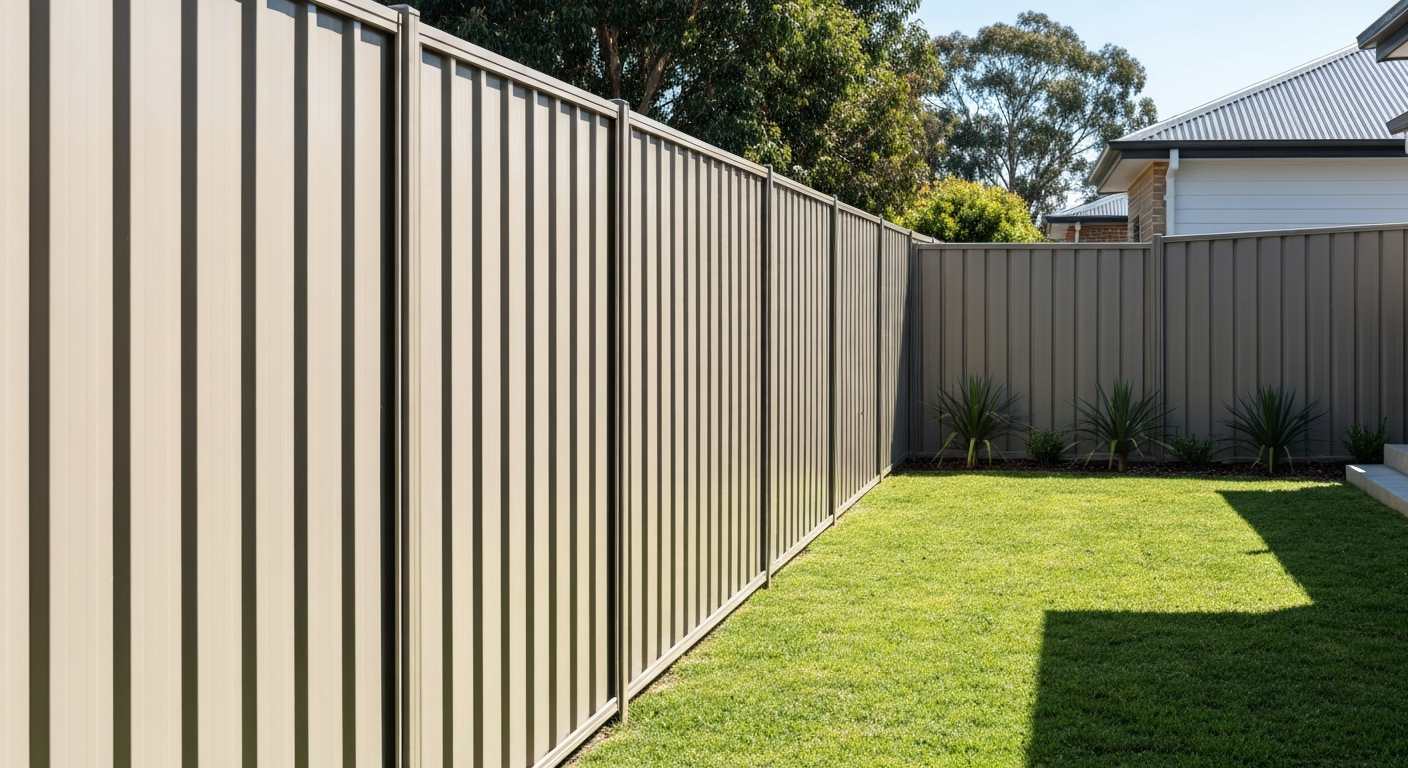
Misaligned edge angles turn up as uneven gaps or corners that look a little "off" when you stand back. This can be triggered by format mistakes, however additionally by message activity after setting.
Uneven spacing near the end of a run creates the "narrow board" look. Corner obstructs make that unevenness more noticeable.
Hardware incongruity at corners develops visual sound. If one corner has somewhat different fastener placement or trim alignment, the fencing stops looking deliberate.
Trims set up over cuts that are not truly cut to fit lead to noticeable seams. Clean-edge designs rely upon trim covering the blemishes, not combating them.
Finally, rushing completing implies the fencing may look tidy during the initial day and slightly unequal after the product changes. Wood activity specifically can be subtle but visible at sides and corners.
A professional who cares will prepare for these issues prior to they happen.
A real-world means to determine: walk the line in your mind
When you're picking amongst the most effective fence installers or best fence contractors for edge blocks and clean sides, try this simple psychological exercise.
Imagine walking the fence line from one end to the various other, not considering the entire fence at once, yet at the changes. Begin at a corner block. After that relocate to the very first panel. After that to the navel. After that to the last panel prior to the next corner. Then towards eviction. Maintain repeating that psychological scan.
A professional that can develop that sort of uniformity will certainly speak about layout technique, alignment checks, and exactly how they deal with end spacing and edge joints. They will not conceal behind "it looks great" or "it's typical for fences to have some variant." Variation is normal, careless sides are not.
When you match your top priorities to a professional's procedure, the fencing you obtain is the fencing you thought of. That's what corner blocks are for, after all, a finished edge that holds its shape and keeps your lines clean.
Final ideas on hiring for edge blocks and tidy edges
Corner obstructs raise the completed appearance, however they likewise require more from the installer. The very best fence companies for this sort of job comprehend that corners are where geometry satisfies woodworking and where small format blunders become obvious.
If you want clean sides, pick a specialist that prepares the design very carefully, sets articles with technique, handles spacing through corners and entrances, and completed with restraint. Ask the difficult inquiries up front. See just how they react during the site visit. Then validate the procedure during the build.
Do that, and your fence will not simply stand on the residential or commercial property line. It will review as intentional, square, and well-crafted every single time you stroll previous it.